Hi, How Can We Help You?

Category Archives: Uncategorized

Red Chilli Exporter from India – Kabiyo Exports: A Trusted Name in Global Spice Trade

Red Chilli Exporter from India – Kabiyo Exports: A Trusted Name in Global Spice Trade

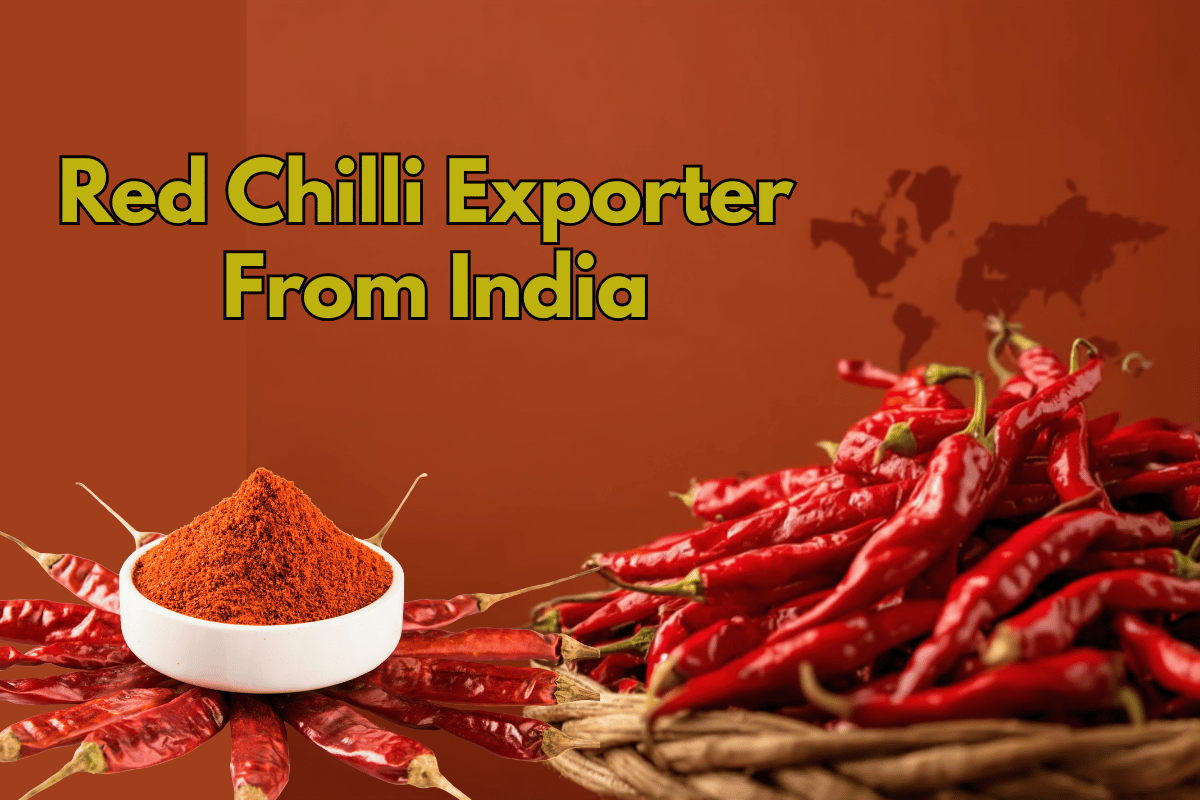
India stands at the forefront of the global spice industry, supplying premium-quality spices to international markets for decades. Among these, red chillies hold a dominant position due to their vibrant colour, strong aroma, and varying pungency levels. Catering to this growing global demand, Kabiyo Agro & Exports LLP has established itself as a reliable and quality-driven Red Chilli Exporter from India – Kabiyo Exports, delivering authentic Indian produce to buyers worldwide.

India’s Global Leadership in Red Chilli Exports

India is the world’s largest producer and exporter of red chillies, contributing significantly to international spice consumption. The country’s diverse agro-climatic conditions allow cultivation of multiple chilli varieties, each catering to different culinary, industrial, and medicinal applications. Indian red chillies are widely preferred for their natural colour value, capsaicin content, and consistent quality, making India the first choice for global spice importers.
In this competitive landscape, the role of a dependable Red Chilli Exporter from India – Kabiyo Exports becomes essential in maintaining supply consistency and quality assurance.

About Kabiyo Agro & Exports LLP

Kabiyo Agro & Exports LLP is a professionally managed import, export, and trading company specialising in agricultural commodities, with a strong focus on red chilli exports. Based in Navi Mumbai, Maharashtra, the company benefits from excellent connectivity to major Indian ports and export infrastructure.

With a customer-centric approach and deep understanding of global trade requirements, Kabiyo has built long-term relationships with buyers across Asia, the Middle East, Europe, and Africa.

Vision and Business Philosophy

Kabiyo Agro & Exports LLP operates with a clear vision of promoting Indian agricultural products on the global stage through quality, transparency, and ethical trade. The company believes in sustainable sourcing, fair farmer engagement, and delivering products that meet international food safety standards.

This strong foundation has helped Kabiyo gain recognition as a trusted Red Chilli Exporter from India – Kabiyo Exports among global spice buyers.

Wide Range of Indian Red Chilli Varieties

Kabiyo exports a carefully selected range of Indian red chillies sourced from leading chilli-producing regions. Each variety is chosen based on market demand, colour value, pungency, and end-use suitability.

Major Red Chilli Varieties Exported:

  • Guntur Red Chillies
  • Byadgi Red Chillies
  • Kashmiri Red Chillies
  • Teja Red Chillies

These varieties are widely used in spice blends, food processing, oleoresin extraction, and retail spice packaging, reinforcing Kabiyo’s reputation as a quality-focused Red Chilli Exporter from India – Kabiyo Exports.

Customised Packaging Solutions

Understanding diverse international requirements, Kabiyo offers flexible and customised packaging options tailored to buyer needs. Packaging is designed to preserve freshness, colour, and shelf life during long-distance transportation.

Available Packaging Options:

  • PP bags
  • Jute bags
  • Vacuum-sealed packaging
  • Buyer-specific labelling

Such adaptability further strengthens Kabiyo’s position as a reliable Red Chilli Exporter from India – Kabiyo Exports.

Strong Export Logistics and Timely Deliveries

Located in Navi Mumbai, Kabiyo Agro & Exports LLP enjoys strategic access to major ports, enabling efficient export operations. The company works closely with experienced logistics partners to ensure smooth documentation, customs clearance, and on-time shipments.

This robust logistics framework allows Kabiyo to serve international markets efficiently while maintaining product integrity throughout the supply chain.

Compliance with International Trade Standards

Kabiyo Agro & Exports LLP strictly adheres to global trade regulations and country-specific import norms. The company ensures compliance with phytosanitary requirements, export documentation, and food safety standards, reducing risks for overseas buyers and ensuring seamless transactions.

Such professionalism has positioned Kabiyo as a dependable Red Chilli Exporter from India – Kabiyo Exports in the international spice market.

Commitment to Sustainable and Ethical Sourcing

Kabiyo believes that long-term success in agricultural exports depends on sustainable sourcing and ethical business practices. The company works closely with farmers and suppliers to promote responsible farming, reduce post-harvest losses, and ensure fair pricing.

This approach not only supports farming communities but also ensures consistent quality and supply stability for global clients.

Why Choose Kabiyo Agro & Exports LLP

Global buyers choose Kabiyo for its reliability, quality focus, and transparent business practices. The company’s strengths include consistent sourcing, export expertise, customised solutions, and responsive customer support.

These advantages make Kabiyo a trusted partner for businesses seeking a professional Red Chilli Exporter from India – Kabiyo Exports.

Company Contact Information

Kabiyo Agro & Exports LLP
Business Type: Import, Export & Trading Company

Office Address:
Office 1401, Mayuresh Chambers,
Plot 60, Opp. Belapur Railway Station,
Sector 11, CBD Belapur,
Navi Mumbai, Maharashtra – 400614, India

Contact Number:
📞 +91-9140014256

Nutritious Millets Export from India

Nutritious Export: Millets Export from India

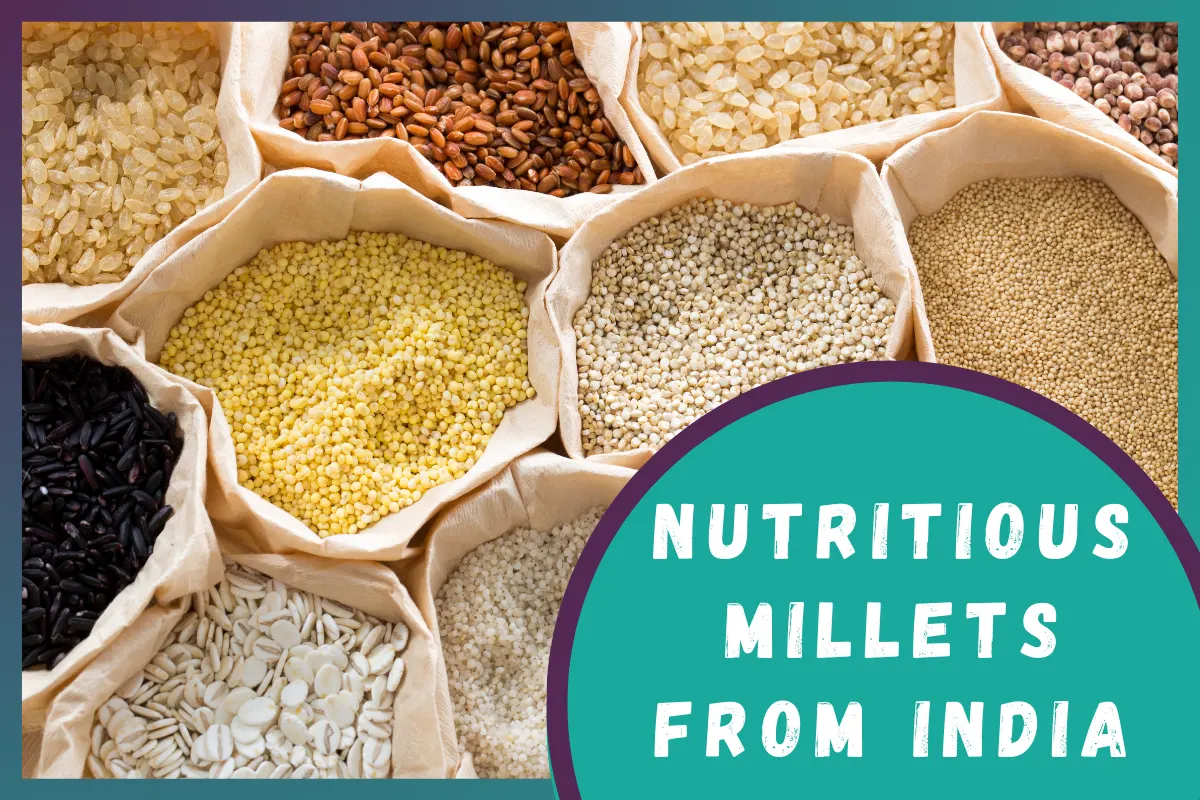
Millets, a group of small-seeded grains, have been a staple food in India for centuries. These nutrient-rich grains are not only a source of sustenance but also hold immense health benefits. In recent years, there has been a significant surge in the millets export from India to various global countries. This blog explores the rising popularity of millets as an export commodity, highlighting their nutritional value, versatility, and the positive impact they have on global cuisines.

Varieties of Rice Export From India

Understanding the Varieties of Rice and export from India to UAE

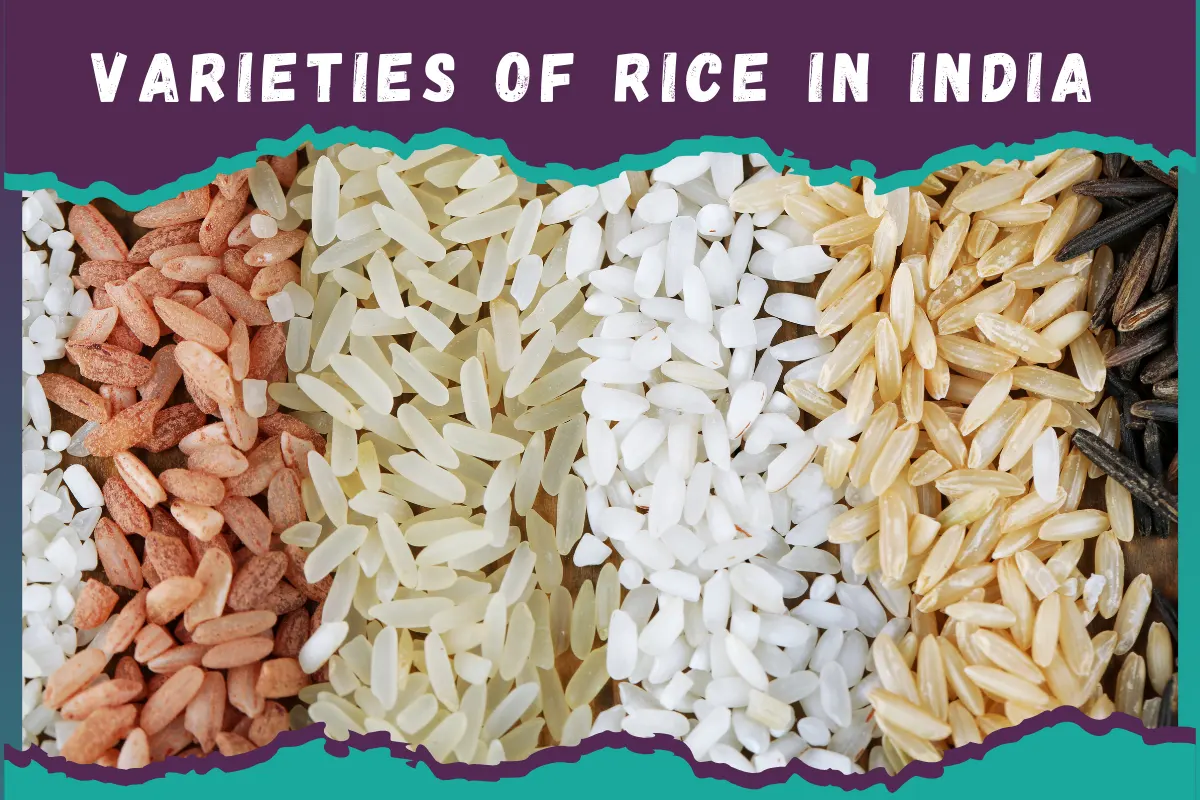
Rice, a staple grain in many cultures, holds a special place in the culinary traditions of both India and the United Arab Emirates (UAE). India, renowned for its diverse agricultural landscape, exports a wide range of rice varieties to the UAE, enriching Emirati cuisine with its aromatic flavors and versatile textures. The diversity of Indian rice caters to different culinary preferences and cultural tastes, making it a sought-after commodity in international markets. While Basmati rice grabs much of the spotlight, India also exports a significant quantity of non-Basmati rice to Dubai. Non-Basmati rice encompasses a wide range of varieties, each suited for different culinary applications.

India, one of the world’s largest producers of rice, exports a wide variety of this essential grain to numerous countries, including Dubai. This blog explores the various types of rice exported from India to Dubai, highlighting their unique characteristics and uses. In this blog, we embark on a journey to discover the types of rice exported from India to the UAE, highlighting their unique characteristics and the dishes they grace.

  1. Kala Namak Rice: a culinary delight synonymous with Indian cuisine, tantalizes taste buds with its distinctive flavor and aromatic allure. This delectable dish features basmati rice cooked to perfection and seasoned with the exotic touch. Each grain carries the essence of this unique salt, offering a tantalizing blend of earthiness and umami that elevates the dining experience to new heights, flavor and sophistication.
  2. Basmati Rice: Basmati rice is perhaps the most famous type of rice exported from India. Renowned for its long, slender grains and aromatic fragrance, Basmati rice is a staple in many Middle Eastern cuisines. The name ‘Basmati’ itself signifies ‘fragrant’ in Hindi, reflecting its distinctive smell. When cooked, Basmati rice grains remain separate and fluffy, making it ideal for dishes such as biryanis, pilafs, and a variety of side dishes. The regions of Punjab, Haryana, and Uttar Pradesh are known for producing the highest quality Basmati rice. Within this category, there are several sub-varieties such as Traditional Basmati, Pusa Basmati, and 1121 Basmati, each with its specific attributes in terms of grain length and aroma. The crown jewel of Indian rice exports, Basmati rice, is cherished for its distinct aroma, long grains, and delicate flavor. Grown in the fertile plains of northern India, Basmati rice is a popular choice in the UAE. Its light, fluffy texture and nutty fragrance make it a perfect accompaniment to rich curries, biryanis, and pilafs that grace Emirati dining tables.
  3. Sona Masoori Rice: This medium-grain rice is lightweight and aromatic, often used in South Indian dishes such as pongal and lemon rice. Sona Masoori rice, hailing from the southern regions of India, is a medium-grain rice variety widely consumed in the UAE. This lightweight and aromatic rice cooks quickly and yields fluffy grains with a subtle floral aroma. Sona Masoori rice pairs well with a variety of Emirati and Indian dishes, making it a versatile choice for everyday meals.
  4. Basmati Extra Long Grain Rice: Similar to traditional Basmati rice, Extra Long Grain Basmati rice boasts extended slender grains. Known for its exceptional length and delicate flavor, this variety is favored for special occasions and festive feasts. Emirati households savor the aroma and tenderness of this rice, especially when served alongside kebabs, curries, and aromatic biryanis.
  5. Jasmine Rice: Hailing from the eastern parts of India, Jasmine rice is a fragrant and slightly sticky long-grain variety. Although primarily associated with Thailand, India also produces Jasmine rice, which is known for its fragrant aroma and slightly sticky texture. It is ideal for a range of Asian cuisines. Its characteristic floral aroma, reminiscent of pandan leaves, adds a unique dimension to Emirati and Asian cuisines. Jasmine rice is often enjoyed with seafood, stir-fries, and coconut-based dishes, bringing a delightful aroma and texture to the table.
  6. Ponni Rice: Ponni rice, predominantly grown in the southern states of India, is a medium-grain variety with a light golden color. Its distinct texture, when cooked, remains separate and firm, making it an ideal choice for biryanis and pulao dishes. Ponni rice’s ability to absorb flavors and retain its shape adds depth to Emirati recipes that demand robustness.
  7. Brown Rice: Brown rice, the whole-grain version of rice, is gaining popularity in the UAE as a healthier alternative. This unpolished rice retains its bran and germ, offering higher fiber content and nutrients. Brown rice adds a nutty flavor and chewy texture to dishes, making it suitable for salads, side dishes, and wholesome rice bowls.
  8. Organic Rice: Meeting the Demand for Healthy Options. With the rising demand for organic and health-conscious food products, India has also ramped up the export of organic rice varieties to Dubai. Organic Basmati and non-Basmati rice are grown without the use of synthetic fertilizers and pesticides, catering to a growing segment of consumers who prioritize sustainability and health.
  9. Parboiled Rice: Also known as converted rice, parboiled rice is partially boiled in the husk, which enhances its nutritional profile and makes it more robust during cooking. It is favored in both household kitchens and restaurants.
  10. Red Rice: Known for its high nutritional value, red rice is gaining popularity among health-conscious consumers. Its distinct color and nutty flavor make it a unique addition to various dishes.

The export of rice from India to Dubai reflects a rich tapestry of cultural exchange and culinary appreciation. From the aromatic Basmati to the versatile non-Basmati varieties, and the unique specialty and organic rice options, Indian rice continues to be a staple in the kitchens of Dubai. This enduring relationship underscores the importance of quality, diversity, and tradition in the global food market, showcasing the best of Indian agriculture on an international stage.

The cultural exchange between India and the UAE extends to the culinary realm, with Indian rice varieties playing a vital role in Emirati cuisine. Basmati, Sona Masoori, Basmatic Extra Long Grain, Jasmine, Ponni, and Brown rice are just a few examples of the diverse range of rice exported from India to the UAE. Each variety brings its unique characteristics, allowing Emirati households and restaurants to create aromatic biryanis, fragrant pilafs, and delectable rice-based dishes that celebrate the fusion of Indian and Emirati flavors. As you savor the flavors of Emirati cuisine, take a moment to appreciate the grains of rice that have traveled from the fields of India to the tables of the UAE, bridging cultures and adding depth to the culinary tapestry.