
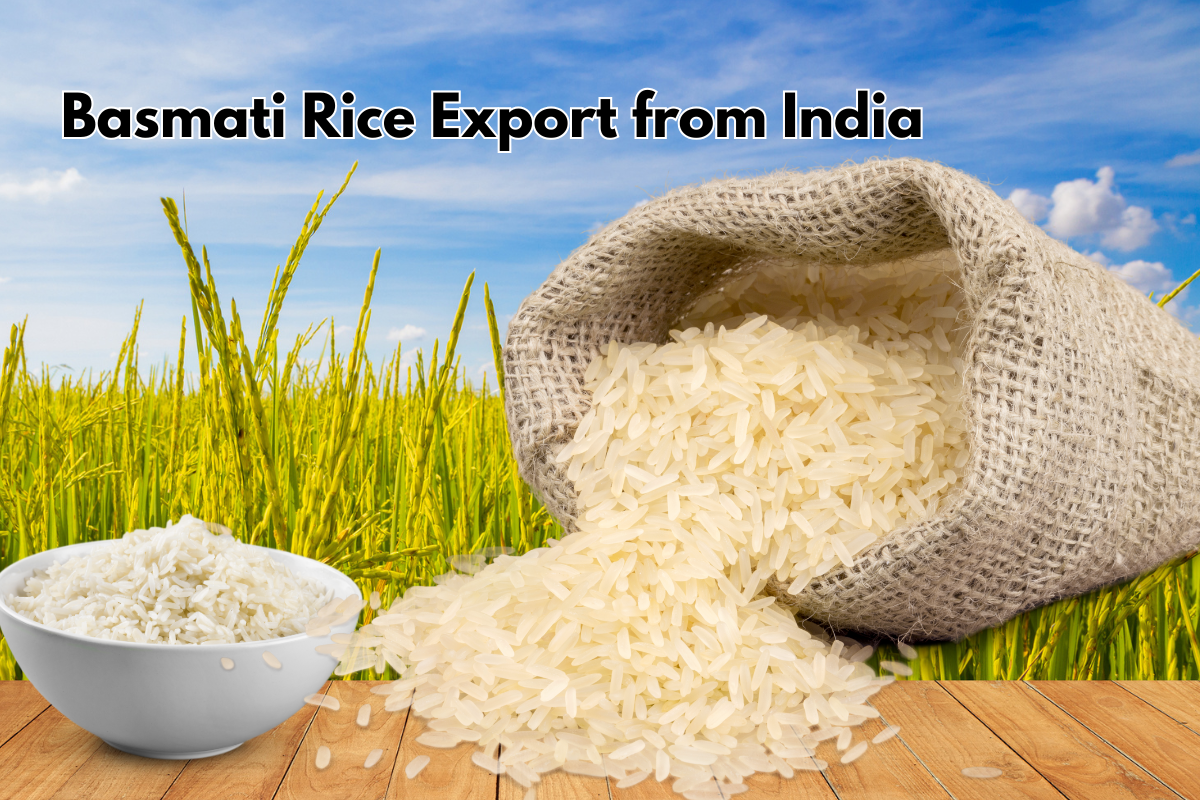
When people across the world think of premium rice, one name naturally comes to mind — Indian basmati rice. From Middle Eastern kitchens to European supermarkets and North American restaurants, the basmati rice export from India has earned a strong global reputation for its aroma, long grains, and unmatched taste.
India is not just a producer of basmati rice; it is the heartland where authentic basmati is grown, processed, and exported with care. This is why global buyers continue to rely on India for consistent quality and long-term supply.
Why Basmati Rice Export from India Is So Strong
The success of basmati rice export from India is no coincidence. It is the result of geography, tradition, and modern expertise working together.
Basmati rice grows best in the fertile plains of northern India, where the soil, water, and climate create perfect conditions for developing its signature aroma and grain length. Indian farmers have been cultivating basmati rice for generations, passing down knowledge that cannot be replicated easily.
At the same time, exporters have adopted modern milling, sorting, and packaging technologies to meet international standards. This balance between tradition and technology is what keeps Indian basmati rice ahead in global markets.
Regions Known for Basmati Rice Export from India
Not all rice qualifies as basmati. Only rice grown in specific regions is allowed to be exported as basmati rice from India.
Major basmati-growing regions include:
- Punjab
- Haryana
- Western Uttar Pradesh
- Uttarakhand
- Parts of Himachal Pradesh
Rice sourced from these areas is carefully monitored to ensure it meets GI (Geographical Indication) guidelines before export.
Popular Varieties in Basmati Rice Export from India
One of the biggest strengths of basmati rice export from India is the wide variety available to suit different markets and cuisines.
Some of the most commonly exported varieties include:
1121 Basmati Rice
Known for extra-long grains and excellent elongation after cooking, this variety is highly popular in the Middle East and Europe.
Traditional Basmati Rice
This variety offers a rich aroma and authentic taste, making it a favorite for premium dining.
Pusa Basmati Rice
A balanced option with good grain length and affordability, suitable for bulk exports.
Golden Sella Basmati Rice
Preferred for biryani and festive dishes due to its color, strength, and non-sticky texture.
White Sella and Steam Basmati Rice
Ideal for catering, hotels, and large-scale food service operations.
Processing Standards in Basmati Rice Export from India
Quality plays a central role in basmati rice export from India. After harvesting, rice goes through multiple stages of processing to ensure it meets global expectations.
Modern processing units use:
- Automated milling and polishing
- Sortex machines to remove impurities
- Controlled aging to enhance aroma
- Hygienic storage facilities
- Quality testing at every stage
This ensures that the rice maintains its flavor, appearance, and shelf life during long-distance shipping.
Certifications Required for Basmati Rice Export from India
International buyers trust Indian exporters because of strict compliance with export regulations.
Common certifications include:
- APEDA registration
- FSSAI certification
- ISO and HACCP standards
- Phytosanitary certification
- Third-party inspection reports
These certifications confirm that the basmati rice exported from India is safe, authentic, and suitable for international consumption.
Global Demand for Basmati Rice Export from India
Indian basmati rice is exported to more than 150 countries, serving diverse cultural and culinary preferences.
Key importing regions include:
- Middle East (UAE, Saudi Arabia, Iran, Iraq)
- Europe (UK, Germany, Netherlands)
- North America (USA, Canada)
- Africa (South Africa, Kenya)
- Asia (Bangladesh, Malaysia, Sri Lanka)
The Middle East remains the largest market due to the heavy use of basmati rice in traditional dishes.
Private Label Opportunities in Basmati Rice Export from India
Many exporters now offer private label solutions as part of basmati rice export from India. This allows international buyers to sell rice under their own brand name.
Private label services often include:
- Custom packaging design
- Brand labeling
- Flexible pack sizes
- Confidential manufacturing
This option is ideal for distributors, retailers, and food brands looking to enter new markets quickly.
How to Choose the Right Exporter for Basmati Rice Export from India
Choosing the right exporter makes a big difference in quality consistency and long-term success.
Here are a few things buyers usually look for:
- Experience in international markets
- Transparent sourcing practices
- Proper certifications
- Ability to meet bulk and repeat orders
- Clear communication and logistics support
A reliable exporter becomes a long-term partner rather than just a supplier.
Future of Basmati Rice Export from India
The future of basmati rice export from India looks strong. As global demand for premium and aromatic rice continues to rise, Indian exporters are investing in better traceability, sustainable farming practices, and improved packaging solutions.
With its deep agricultural roots and growing export expertise, India is expected to remain the world’s most trusted source of basmati rice for years to come.
Frequently Asked Questions
Is basmati rice export from India regulated?
Yes, basmati rice exports are regulated by APEDA and must follow GI guidelines.
Which basmati rice variety is most exported?
1121 basmati rice is the most widely exported due to its long grains and cooking quality.
Can I get private label basmati rice from India?
Yes, many exporters provide private label and customized packaging options.
Is Indian basmati rice safe for international markets?
Yes, exporters follow strict quality and food safety standards.
What is the minimum order quantity for export?
MOQ depends on the exporter, packaging type, and destination country.