
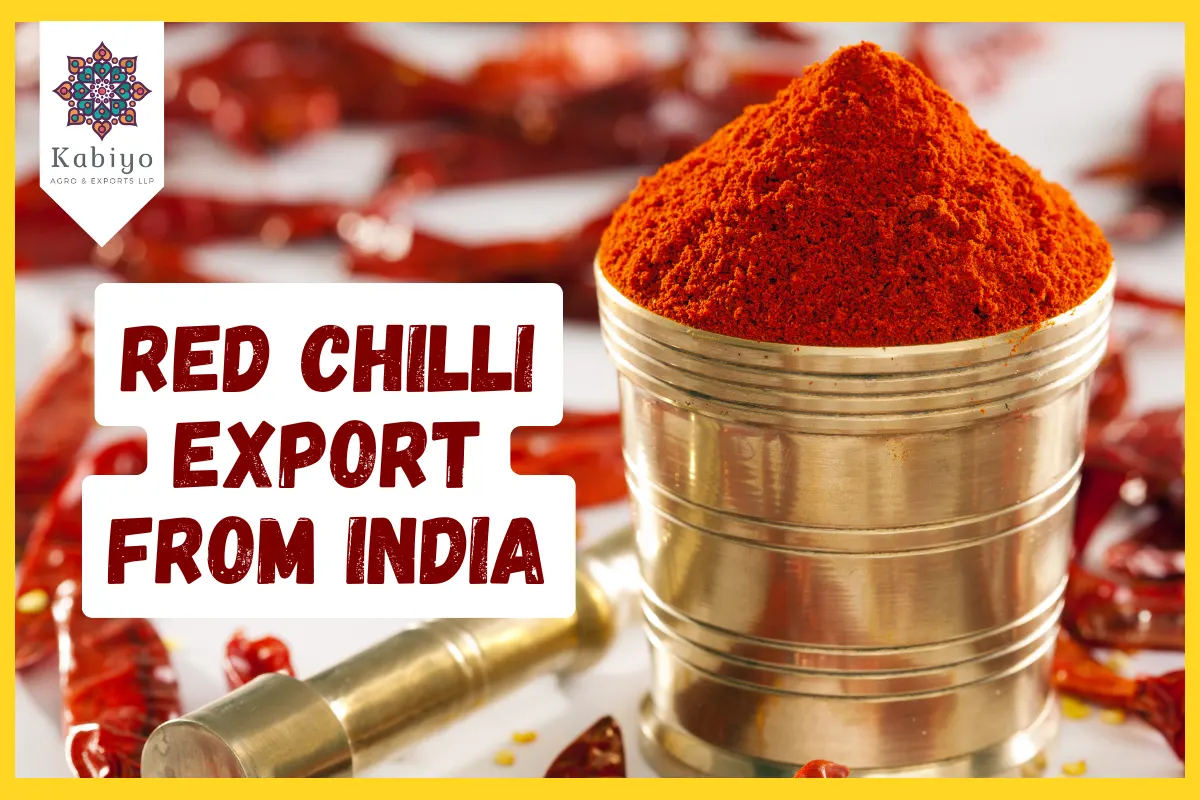
India is the global leader in spice production, and red chillies are among the country’s most exported agricultural products. Red chilli export from India has gained strong international demand due to vibrant color, rich pungency, long shelf life, and competitive pricing. Indian red chillies are widely used in food processing, spice blends, sauces, and traditional cuisines across the world.
With diverse agro-climatic conditions and advanced export infrastructure, India continues to strengthen its position as a trusted supplier of premium red chillies to global markets.
Why Red Chilli Export from India Dominates Global Trade
Red chilli export from India leads the global market because of large-scale production, variety availability, and strict quality control practices. India produces both high-pungency and mild red chilli varieties suitable for different international requirements.
Major red chilli producing states include Andhra Pradesh, Telangana, Karnataka, Maharashtra, Tamil Nadu, Madhya Pradesh, and Rajasthan. These regions are known for consistent quality, high yield, and export-grade chillies.
Types of Red Chillies Exported from India
India exports a wide range of red chillies, each having unique color, heat level, and aroma. Exporters supply whole dry red chillies as well as crushed and powdered forms based on buyer needs.
Popular Varieties in Red Chilli Export from India
- Guntur Sannam Red Chilli – Medium pungency with bright red color
- Teja Red Chilli – High pungency and strong heat level
- Byadgi Red Chilli – Mild pungency with excellent color value
- Kashmiri Red Chilli – Deep red color with low heat
- Mundu Red Chilli – Round shape with rich aroma
These varieties are widely used in spice manufacturing, processed foods, and culinary applications.
Red Chilli Export from India – Quality Control and Processing
Maintaining quality is a critical part of red chilli export from India. Export-grade chillies are sourced directly from farmers and processed under hygienic conditions. The process includes cleaning, drying, sorting, grading, and laboratory testing.
Quality Standards Followed in Red Chilli Export from India
- Controlled moisture content
- Uniform color and size
- Free from pests and foreign matter
- Proper stem cutting and drying
Advanced storage and drying techniques help preserve the natural color, flavor, and pungency during long-distance shipping.
Packaging Solutions for Red Chilli Export from India
Packaging plays an important role in protecting red chillies during export. Indian exporters offer customized packaging options depending on destination regulations and buyer preferences.
Common Packaging Used in Red Chilli Export from India
- Jute bags
- PP bags
- Vacuum-sealed packaging
- Carton boxes for premium shipments
Packaging sizes usually range from 5 kg to 50 kg, with proper labeling and ventilation to maintain freshness and prevent moisture damage.
Global Markets Served by Red Chilli Export from India
Red chilli export from India supplies products to more than 100 countries worldwide. Indian red chillies are in strong demand across Asia, the Middle East, Europe, Africa, and North America.
Major importing countries include China, Thailand, Malaysia, Vietnam, Bangladesh, Sri Lanka, UAE, Saudi Arabia, USA, UK, and several African nations. Indian exporters are experienced in handling international documentation and customs requirements.
Export Certifications and Compliance for Red Chilli Export from India
Every red chilli export from India follows international food safety and export regulations. Exporters provide all necessary documentation to ensure smooth trade and buyer confidence.
Common certifications include phytosanitary certificates, certificates of origin, quality inspection reports, and APEDA registration. Compliance with global standards strengthens trust and long-term business relationships.
Why Choose India for Red Chilli Export
Choosing red chilli export from India offers several advantages for global buyers:
- Wide range of chilli varieties
- Consistent quality and supply
- Competitive export pricing
- Strong processing and logistics support
- Experienced spice exporters
India’s agricultural expertise and export reliability make it a preferred sourcing destination for red chillies worldwide.
Growing Demand for Red Chilli Export from India
The demand for red chilli export from India continues to rise due to increased global consumption of spicy foods and processed products. With growing interest in ethnic cuisines and natural spices, Indian red chillies remain a key ingredient in international markets.
Improved farming practices, modern processing facilities, and sustainable cultivation are further strengthening India’s global leadership in red chilli exports.
Frequently Asked Questions About Red Chilli Export from India
Why is red chilli export from India popular
Indian red chillies offer superior color, pungency, flavor, and long shelf life, making them ideal for global markets.
Which red chilli variety is most exported from India
Guntur Sannam, Teja, and Byadgi red chillies are among the most exported varieties.
Which countries import red chillies from India
Asian, Middle Eastern, European, African, and North American countries regularly import Indian red chillies.
What packaging is used for red chilli export from India
Jute bags, PP bags, vacuum packs, and cartons are commonly used based on buyer requirements.
Conclusion
Red chilli export from India continues to strengthen the country’s position as a global spice leader. With diverse varieties, strict quality control, export compliance, and efficient logistics, India remains a trusted supplier of premium red chillies worldwide. For buyers seeking consistent quality, competitive pricing, and reliable supply, India stands out as the ideal destination for red chilli exports.